Exploring the dynamic world of integrated multi-channel marketing reveals how this approach can revolutionize the way companies interact with their customers. By utilizing various channels cohesively, businesses can ensure their message is received by a broader audience in the ways most preferred by those potential clients. This strategy not only increases brand visibility but also enhances customer engagement and loyalty. Integrated multi-channel marketing provides a powerful synergy that can lead to impressive gains in market share and profitability. In this article, we delve into the advantages and methods of utilizing this comprehensive marketing approach.
Understanding Integrated Multi-Channel Marketing: Definitions and Scope
At its core, integrated multi-channel marketing is about combining different media such as email, social media, digital advertisements, and direct mail to create a unified message and customer experience. This strategic approach ensures consistent communication across all platforms, catering to the diverse preferences of consumers. The objective is to reach potential customers wherever they are and make the transition between channels seamless and intuitive.
The scope of integrated multi-channel marketing extends beyond simple promotional efforts. It focuses on creating a holistic brand experience that facilitates a continuous dialogue between a business and its audience. By integrating various marketing channels, companies can tailor their narratives to fit the context of each platform while maintaining the overarching voice and values of their brand.
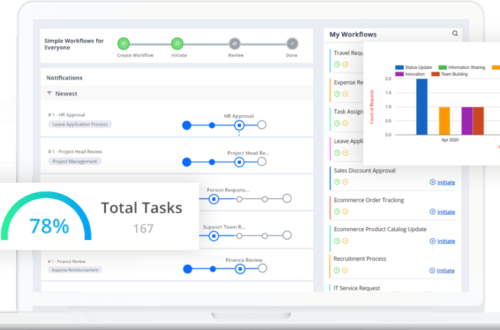
Utilizing automated multi-channel marketing tools like Adestra can significantly enhance the efficiency and effectiveness of a business’s marketing initiatives. Automation helps in scheduling content, analyzing engagement, and personalizing messages across channels. This technological aid is integral for executing a successful integrated multi-channel strategy, and can provide valuable insights into customer behavior and preferences.
Improved Customer Data Analysis Through Multi-Channel Approaches
Alt text: Employees analyzing customer data using an automated multi-channel marketing tool to improve their marketing efforts.
Elevating customer data analysis is one of the significant advantages of integrated multi-channel marketing. With multiple streams of interaction and engagement data, businesses can gain a comprehensive view of their customers’ behaviors and preferences. This rich data set is critical for informed decision-making and targeted marketing efforts.
Analytics derived from integrated marketing channels can reveal patterns and trends that remain hidden when examining channels in isolation. For instance, correlating website traffic spikes with social media campaigns can offer insights into which content drives engagement. Such information is valuable for optimizing marketing strategies and improving return on investment.
Detailed customer data allows for advanced segmentation and personalization, two critical aspects of modern marketing. Companies can use the insights from their multi-channel data to tailor their marketing messages and offers to specific customer segments, increasing the relevance and effectiveness of their campaigns.
Boosting Sales and Revenue With Synergistic Marketing Channels
Integrating various marketing channels can lead to a remarkable increase in sales and revenue. By presenting a unified front, businesses can funnel their audience toward the desired action, such as making a purchase or subscribing to a service. This coordinated approach can result in a more efficient conversion process.
When customers encounter a consistent message and branding across different platforms, it can significantly influence their purchasing decisions. Since integrated marketing channels create multiple reinforcing touchpoints, they can effectively guide a customer through the buying journey, from becoming aware of a product to actually making the purchase.
This synergy also allows for the strategic timing of promotions and messages that can capitalize on consumer behavior trends. For example, coupling an online flash sale with social media promotion and targeted email reminders can drive urgency and increase immediate sales conversions.
Overcoming the Challenges of Multi-Channel Marketing Integration for Business Growth

Alt text: Teammates discussing the benefits of implementing automated multi-channel marketing tools in their workflow.
While the benefits of multi-channel marketing are clear, businesses may face several challenges when attempting to integrate various marketing streams. One of the primary hurdles is maintaining a consistent brand voice and messaging across all channels, which requires strategic planning and effective communication within the marketing team.
Another challenge can be the complexity of data analysis stemming from numerous channels. The sheer volume and diversity of data can be overwhelming, necessitating a robust data management strategy and sophisticated analytics tools. For some businesses, especially those with limited resources, this can prove to be a significant undertaking.
Overall, the advantages of integrated multi-channel marketing are numerous, ranging from enhancing brand presence to increasing sales, improving customer data analysis, and overcoming traditional marketing limitations. By thoughtfully combining various marketing channels into a si