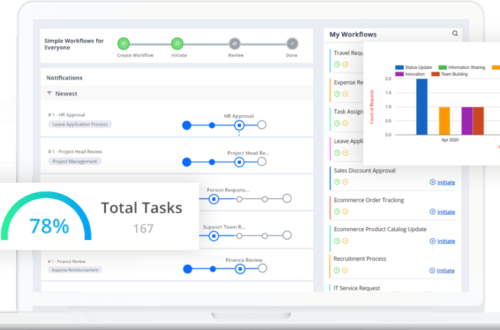
In today’s fast-paced and competitive business landscape, operational efficiency serves as the backbone of a successful organization. It’s about maximizing output while minimizing waste, defining how effectively a business can convert inputs, such as labor and materials, into outputs like products or services. In essence, operational efficiency involves refining processes to optimize performance and profitability.
Strategies for Enhancing Productivity in Your Organization
To significantly enhance productivity within your organization, it begins with setting clear and measurable goals. These objectives should align with your company’s overall vision and provide a direction for efficiency improvements. Employees need to understand these goals and how their roles contribute to achieving them. This clarity motivates teams and aligns efforts towards common milestones.
Incorporating lean principles can also dramatically affect an organization’s productivity. Lean thinking advocates for the elimination of waste within processes, ensuring that every step adds value to the customer. By continually identifying areas of excess and implementing strategies to remove these inefficiencies, a business can see a significant uptick in performance while reducing unnecessary expenditure.
Empowering employees is another vital strategy. When employees are provided with the resources, authority, and trust to make decisions, they can resolve issues quickly and effectively. This empowerment leads to a more engaged and proactive workforce, which in turn drives productivity. In addition, fostering a culture of continuous learning and development ensures that your team can keep up with evolving best practices and technologies.
Delegation and outsourcing non-core activities can also streamline operations. For complex tasks such as back-office operations, it might be beneficial to outsource back office services. By entrusting these processes to experts, your team can focus on core competencies, driving innovation and growth within the primary functions of your business.
Leveraging Technology for Streamlined Operations and Reduced Costs

Embracing modern technology is key to achieving operational efficiency. State-of-the-art software and hardware can automate mundane tasks, minimize human error, and facilitate real-time data analysis. This not only reduces the workforce’s burden but also accelerates decision-making. For instance, implementing ERP solutions can centralize data and streamline business functions, from supply chain management to human resources.
The cloud is another technological juggernaut reshaping how businesses operate. It offers scalable resources, robust security, and greater collaboration opportunities while significantly cutting down on IT infrastructure costs. With cloud computing, employees can access information anytime and anywhere, promoting flexibility and a more responsive business model.
Mobile technology also plays a crucial role in improving operational efficiency. With the proliferation of smartphones and tablets, employees can remain productive while on the go. Investing in mobile-friendly systems allows for greater accessibility and continued productivity outside traditional office settings, which can be particularly beneficial for businesses with remote or field-based workers.
Analytics is yet another powerful tool. By harnessing the power of big data, businesses can gain valuable insights into their operations and customer behaviors. These insights drive more informed decisions, helping organizations to optimize their processes continuously and stay ahead of the market trends.
Measuring and Analyzing Operational Performance for Continuous Improvement
To maintain and enhance operational efficiency, regular measurement and analysis are indispensable. Key performance indicators (KPIs) provide a quantifiable measure of success and help identify areas needing improvement. Whether it’s tracking inventory turnover, customer satisfaction ratings, or production cycle times, KPIs offer a clear picture of where your organization stands.
Beyond KPIs, conducting regular performance audits can provide deeper insights. These reviews should look at processes, technology, and employee performance. From these audits, organizations can derive actionable steps to fine-tune their operations. It’s crucial to involve employees in these discussions, as their day-to-day experience can reveal practical improvements overlooked by management.
Investing in business intelligence tools is also an effective strategy. These tools can consolidate data from various sources into comprehensive reports and dashboards, making it easier to review and analyze information. This accessibility to information helps businesses anticipate challenges and adapt their strategies accordingly.
Implementing a culture of continuous improvement is essential. Encourage teams to constantly seek out opportunities for refinement, fostering an environment where innovation is rewarded. With ongoing vigilance and a proactive approach to operational performance, businesses can not only sustain efficiency but also continuously enhance it.
Altogether, the quest for operational efficiency is not just about doing more with less, but rather about smart management and optimal use of resources. Through comprehensive strategies, regular performance analysis, and leveraging technology, businesses can streamline their operations and secure their position in the market.