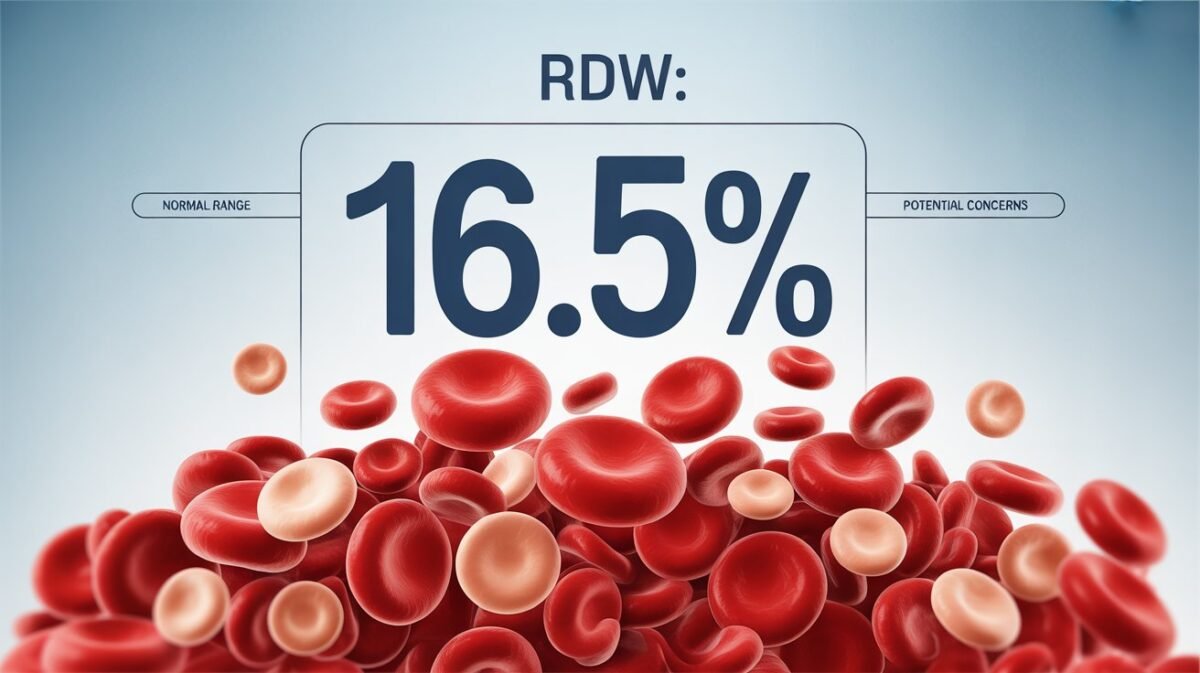
Red cell distribution width (What Level of RDW Is Dangerous) is a common blood test parameter used to measure the variation in size of your red blood cells. This measure plays a significant role in diagnosing various health conditions, and understanding its levels can be essential in identifying underlying problems. But what does it mean when your RDW levels are too high or low? At what point should you be concerned? Let’s dive into this important health marker to understand its significance and what levels might pose a danger to your well-being.
What Is RDW and Why Is It Important?
What Level of RDW Is Dangerous stands for red cell distribution width, a metric that measures the variation in size of your red blood cells. Your body is constantly producing red blood cells to carry oxygen throughout your bloodstream. The more uniform in size these cells are, the lower the What Level of RDW Is Dangerous. However, a high RDW indicates that there is a significant variation in the size of these cells, which can point to a variety of underlying health issues.
RDW is often part of a standard complete blood count (CBC) test, which is commonly ordered during routine health check-ups. This measurement helps doctors detect abnormalities that could indicate conditions like anemia, nutritional deficiencies, or other chronic illnesses.
Normal RDW Levels: What to Expect
Typically, What Level of RDW Is Dangerous is measured as a percentage, and normal values range between 11.5% and 14.5%. A value outside of this range could indicate that your red blood cells are not of uniform size, which may be a sign of a health issue. However, the specific thresholds can vary slightly depending on the laboratory and the method used for testing.
What Level of RDW Is Dangerous Values: A Closer Look
- RDW Below 11.5%: This could indicate that your red blood cells are of a very uniform size, which, in most cases, is a good sign. Low What Level of RDW Is Dangerous is rarely a cause for concern unless accompanied by other abnormal blood test results.
- RDW Above 14.5%: High What Level of RDW Is Dangerous is often more concerning. It can suggest the presence of health conditions, ranging from nutrient deficiencies (like iron, folate, or vitamin B12 deficiency) to more severe underlying conditions like anemia, liver disease, or heart disease.
What Happens When RDW Is Too High?

When What Level of RDW Is Dangerous levels are elevated, it could indicate that your red blood cells are varying greatly in size, which affects their ability to transport oxygen effectively. The causes of high RDW can vary, but the following are some common conditions linked with high RDW:
1. Anaemia
Anaemia, a condition where you lack enough healthy red blood cells, is one of the most common causes of a high RDW. The variation in cell size reflects a disruption in the production of red blood cells. This can be caused by various types of anaemia, including:
- Iron-deficiency anemia: The most common type of anemia, it occurs when there is not enough iron in the body to produce hemoglobin, a key component of red blood cells.
- B12 or folate deficiency anemia: A lack of these vitamins can interfere with the production of healthy red blood cells, leading to variations in size.
- Sickle cell anemia: A genetic disorder where red blood cells are abnormally shaped, affecting their ability to carry oxygen.
2. Vitamin or Mineral Deficiencies
Deficiencies in essential nutrients, such as iron, vitamin B12, or folate, can disrupt the production of red blood cells. When your body doesn’t have enough of these vital nutrients, it can lead to an increase in RDW, as it struggles to produce normal-sized red blood cells.
3. Chronic Inflammation or Disease
Conditions like liver disease, chronic kidney disease, or inflammatory conditions can also cause elevated RDW. Inflammation in the body disrupts the production and regulation of red blood cells, leading to increased variability in their size.
4. Heart Disease
Research has shown a link between high RDW and heart disease, as increased RDW may indicate poor circulation and decreased oxygen delivery to tissues. High RDW has been associated with an increased risk of heart attacks and strokes, making it an important marker for cardiovascular health.
Low RDW: Should You Be Concerned?

While high RDW levels often grab more attention, low RDW can also have implications for your health. However, low RDW is much less frequently discussed, and it is rarely a cause for concern unless other abnormal results are present.
What Does Low RDW Mean?
A low RDW typically suggests that your red blood cells are relatively uniform in size, which is often seen as a sign of good health. However, extremely low RDW, along with other abnormal test results, could sometimes indicate specific conditions. It is important to consider the full context of your blood work to determine whether low RDW is a potential concern.
How to Address High RDW Levels
If your What Level of RDW Is Dangerous levels are higher than normal, it’s important to follow up with your healthcare provider for a thorough evaluation. Depending on the underlying cause, here are some potential treatments or lifestyle changes that may help normalize RDW:
1. Address Nutritional Deficiencies
If your What Level of RDW Is Dangerous is high due to a nutrient deficiency, increasing the intake of vitamins and minerals, such as iron, vitamin B12, or folate, can be an effective treatment. Your doctor may recommend supplements or dietary changes to ensure you are getting enough of these essential nutrients.
2. Manage Underlying Conditions
If chronic diseases, such as kidney disease or liver disease, are contributing to high What Level of RDW Is Dangerous levels, managing these conditions with the help of your doctor can improve your What Level of RDW Is Dangerous. Treatment might include medication, lifestyle changes, or other interventions to address the root cause.
3. Address Anemia
If your What Level of RDW Is Dangerous is high due to anemia, treating the specific type of anemia can help normalize your RDW. This might involve taking iron supplements, B12 shots, or other treatments depending on the type of anemia you have.
How to Lower RDW Levels Naturally
While the most effective way to manage high What Level of RDW Is Dangerous levels is through medical treatment, there are some lifestyle changes you can make to support overall blood health and help maintain normal RDW levels:
1. Eat a Balanced Diet
A diet rich in fruits, vegetables, lean proteins, and whole grains can provide the essential vitamins and minerals needed for healthy red blood cell production. Be sure to include foods high in iron, such as spinach, red meat, and legumes, as well as foods rich in vitamin B12 (like eggs, dairy, and fortified cereals).
2. Exercise Regularly
Regular exercise can help improve circulation and oxygen delivery throughout the body, which can support healthy red blood cell production. Exercise also helps reduce inflammation, which can impact What Level of RDW Is Dangerous.
3. Stay Hydrated
Proper hydration is essential for maintaining healthy blood volume and circulation, which can impact the health and size of your red blood cells. Drinking plenty of water throughout the day can support overall health and help keep your RDW levels in check.
What Are the Risks of Ignoring Abnormal RDW Levels?
Neglecting to address abnormal RDW levels, especially if they are linked to serious health conditions, can lead to worsened symptoms and complications. For example:
- If anemia goes untreated, it can lead to fatigue, weakness, shortness of breath, and more severe complications like heart failure in extreme cases.
- If nutrient deficiencies are left unaddressed, you may experience poor immunity, skin issues, and other long-term health problems.
- Chronic diseases that contribute to high RDW levels can cause long-term damage to organs like the liver, kidneys, and heart.
Conclusion
RDW is a useful and often overlooked marker in blood tests that can provide valuable insights into your overall health. While high RDW levels are more commonly associated with conditions like anemia, nutrient deficiencies, and chronic diseases, it’s important to approach abnormal RDW results in the context of other health indicators. If you are concerned about your RDW levels, it’s essential to work closely with your healthcare provider to determine the cause and develop an appropriate treatment plan.
Frequently Asked Questions (FAQs)
1. What causes high RDW levels in the blood?
High What Level of RDW Is Dangerous can be caused by anemia, vitamin or mineral deficiencies, chronic diseases, or heart disease. It indicates a variation in the size of red blood cells, which can affect their ability to transport oxygen effectively.
2. Can high RDW levels be a sign of cancer?
While high What Level of RDW Is Dangerous is not directly linked to cancer, it can be associated with other health conditions, including chronic illnesses, which could indicate the presence of cancer. Always consult with your doctor for proper diagnosis.
3. How can I lower my RDW levels naturally?
To lower What Level of RDW Is Dangerous, focus on eating a balanced diet rich in iron, vitamin B12, and folate. Regular exercise, proper hydration, and managing chronic conditions can also support healthy RDW levels.
4. Is low RDW dangerous?
Low What Level of RDW Is Dangerous is typically not a cause for concern unless it’s accompanied by other abnormal test results. It usually indicates uniform red blood cells, which is generally a good sign of health.
5. Can RDW levels fluctuate over time?
Yes, What Level of RDW Is Dangerous can fluctuate due to changes in your diet, overall health, and the presence of underlying medical conditions. Regular monitoring and proper medical care can help maintain healthy What Level of RDW Is Dangerous.